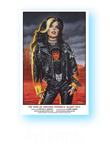
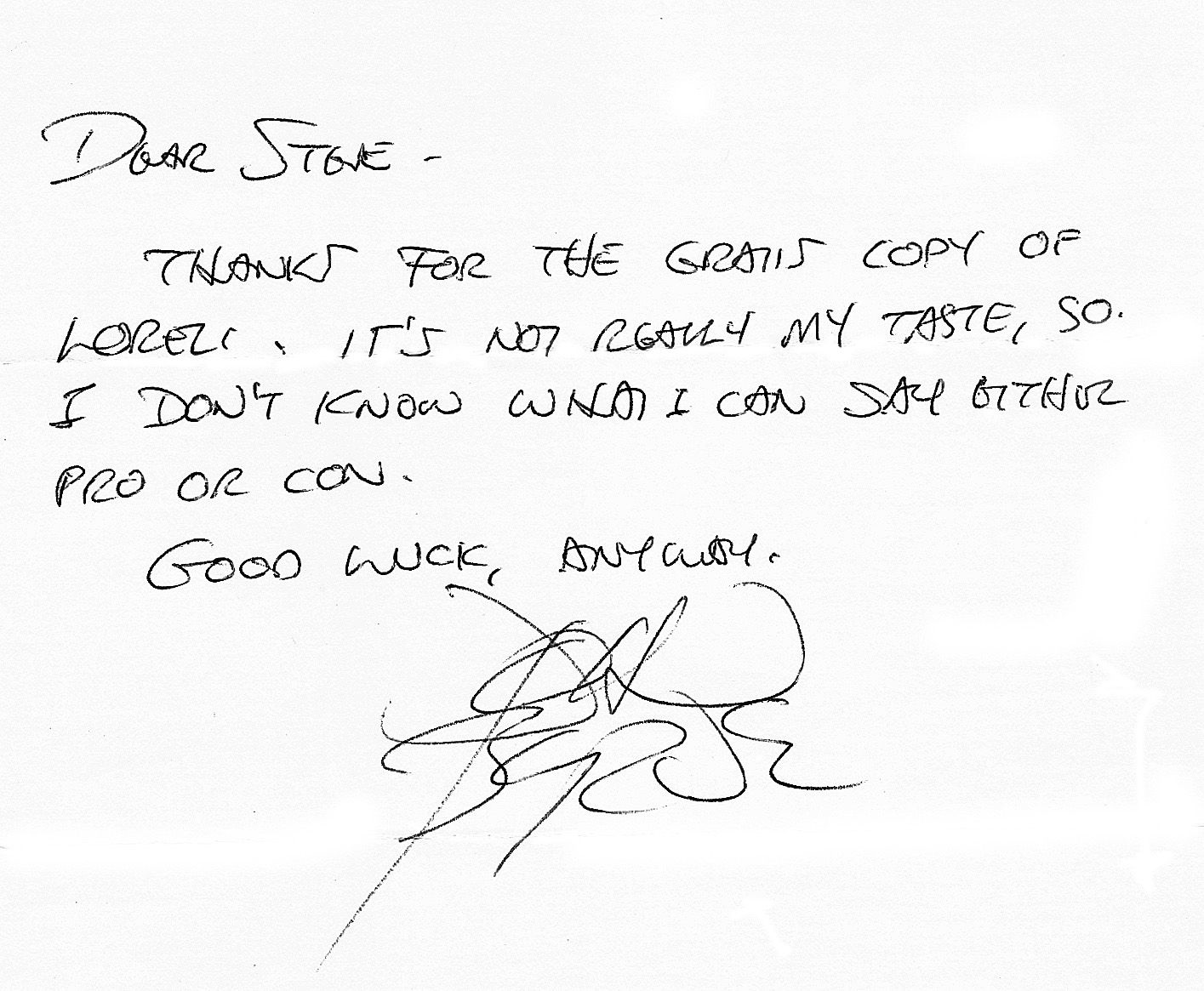
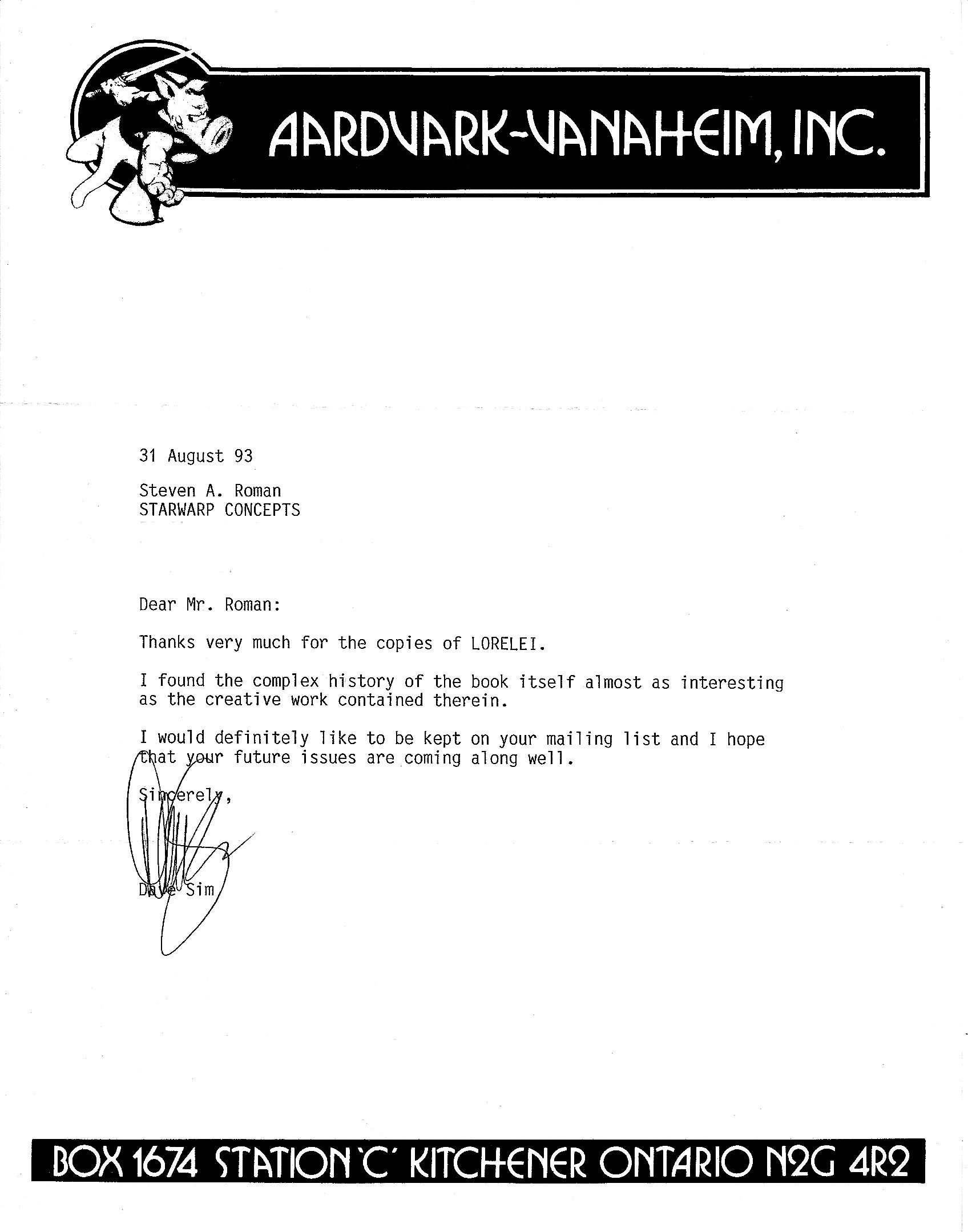
Yesterday I was discussing reactions I’ve received over the years from some comic book professionals I’ve introduced to my succubus character, Lorelei—the star of SWC’s new Mature Readers graphic novel, Lorelei: Sects and the City. When I launched her initial series in the 1990s, I got responses from mainstream comics legend John (X-Men) Byrne and self-publishing’s biggest advocate, Dave (Cerebus) Sim. Unfortunately, I had to cancel the bestselling series due to overwhelming production costs. Still, I wasn’t about to give up that easily…
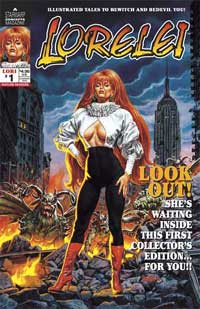 In 2002 I decided to revive Lori in a new series, this time designed to emulate the black and white horror magazines I’d read and enjoyed in the ’70s and early ’80s—specifically, Warren Publishing’s Vampirella, Creepy, and Eerie. Each issue would feature a chapter of a new Lori serial, “The Architects of Fear” (now known in graphic novel form as Sects and the City), followed by short backup stories from writers and artist I’d approached, plus reprints of the first Lorelei series. And when the first issue debuted, I knew exactly who I wanted to send copies to…
 James Warren was the horror comics publisher of the 1960s and ’70s, his lineup of magazines featuring stories written for adult audiences and artwork that was the envy of the industry. What Stan Lee was to superheroes, Warren was to horror—an outspoken front man who was a touch flamboyant (a yellow, WWI biplane replica—on his front lawn?!), opinionated, and an editorial juggernaut. When he saw how the Comics Code Authority—mainstream comics’ alleged guardians of decency—ruled over the four-color books, he decided to publish his comics as black and white magazines because those were outside the CCA’s jurisdiction. His approach was so groundbreaking that both Marvel and DC tried to emulate his game plan with b&w mags of their own, though with far less success.
When Lorelei, Vol. 2 #1 hit comic shops, I immediately sent Warren a copy, hoping he’d like what he saw. And he did!
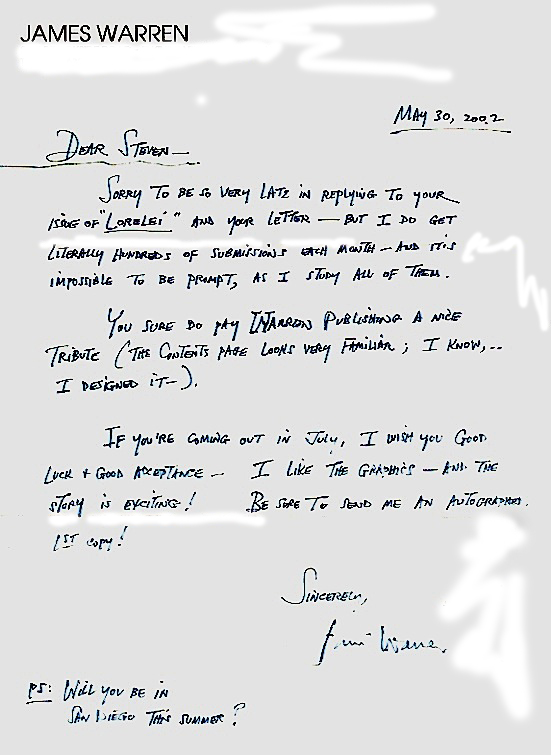 Dear Steven –
Sorry to be so very late in replying to your issue of “Lorelei” and your letter — but I do get literally hundreds of submissions each month — and it is impossible to be prompt, as I study all of them.
You sure do pay Warren Publishing a nice tribute (the contents page looks very familiar; I know—I designed it—).
If you’re coming out in July, I wish you good luck & good acceptance — I like the graphics — and the story is exciting! Be sure to send me an autographed 1st copy!
Sincerely,
Jim Warren
PS: Will you be in San Diego this summer?
Knowing that I’d made one of my idols happy with my efforts (accomplished with the help of artists Steve Geiger, Ernie Colon, David C. Matthews, and Grant Miehm, and designer Mike Rivilis) made me confident that this time Lori would be a success. I mean, I had Jim Warren’s blessing, and he’d always had a reputation for being a stickler for quality material, so I must be doing something right—right? And if Warren was pleased, what might his #1 creative partner think of Lori? I had to find out…
For generations of young horror and science fiction fans—including future author Stephen King and directors Steven Spielberg, John Landis, and Joe Dante—the gold standard of magazines was Warren Publishing’s Famous Monsters of Filmland, a b&w excursion into the past and present of genre movies, edited by science fiction fan/agent/collector extraordinaire, Forrest J Ackerman. Known to his worldwide fan base as Uncle Forry and the Ackermonster (who lived in “Hollyweird, Karloffornia”), Ackerman was the Willy Wonka of science fiction, fantasy, and horror, inviting kids of all ages to join in on the fun and be amazed at the wonders they’d find in every issue.
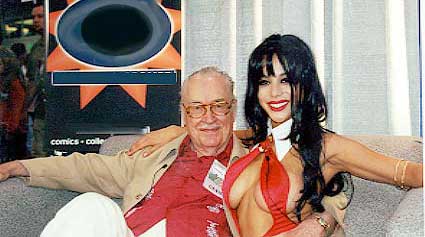 More important to me, though, was that this was the guy who created Vampirella, comics’ most popular half-naked, space-vampire monster fighter. A blend of pinup model Bettie Page (according to reports, a suggestion made by Warren, who’d published photos of her in After Hours, a 1950s Playboy wannabe), Jane Fonda’s kittenish on-screen portrayal of France’s science-fiction comic heroine Barbarella, and Florence Marly’s bloodsucking space vampiress from the low-budget 1966 film Queen of Blood (in which Ackerman appears as Basil Rathbone’s silent assistant), Vampirella was everything the Comics Code hated in a female character: violent (she drank blood), a monster (even her name flaunted what she was!), and—worst of all—unrepentantly sexy. Parading around in nothing but a tiny one-piece swimsuit and go-go boots, enticing men so she could drink their blood—what a hussy! But since Vampirella was the star of a black and white magazine, not a color comic book, there was nothing the CCA could do about it.
Since Vampirella was a major influence on the creation of Lorelei (with a little bit of Marvel’s succubus, Satana, the Devil’s Daughter, thrown in because I didn’t want a female vampire), of course I was going to send a copy of Lorelei #1 (2.0) to the Ackermonster! And a couple of months later, I found this in my mailbox:
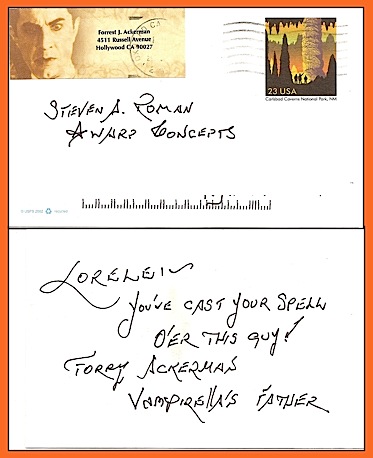 I actually gave a little fanboy squeal when I saw it. The handwriting is a little shaky, because Forry had been in declining health for years, but still—Forrest J Ackerman! Giving Lori his okay! How cool is that?
Unfortunately (again!), this time Lori had an even shorter shelf life, because even with the acclaim I received sales of the two issues were practically nonexistent and I had to end the series right there. The comics market had changed drastically since I’d first suspended publication in the ’90s, and it was reflected in the major attitude shift in comic fans.
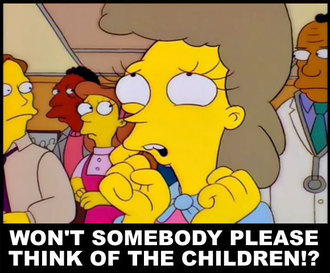 In 1993, Lori’s open blouse on the cover of the zero issue and a topless stripper on three interior pages were accepted as parts of a comic aimed squarely at an adult audience. In 2002, however, those same elements got me labeled a soft-core pornographer by politically correct comic book reviewers. Even worse, at conventions I would literally watch, stunned, as women snapped “That’s not for you!” at their men and yanked them away from my booth. At the 2002 Small Press Expo, I even had a woman throw a pamphlet on my table as she walked past. The title? Questions a Publisher Should Ask Themselves Before Creating a Character Offensive to Women! (The Comic Book Legal Defense Fund—one of the show’s sponsors—had her tossed out. SPX is about creative expression, not about censoring material just because you don’t like it. And it wasn’t as though she’d stopped to find out what Lorelei was about; remember the old saying about judging books by their covers?)
But now, at last, Lori’s first big adventure is complete, and the decidedly adult Lorelei: Sects and the City is going on sale. And one thing’s for sure: with all the violence and sexual situations and F-bombs you’ll find within its pages you won’t be confusing this with The Saga of Pandora Zwieback, so… keep it away from kids, okay? Somebody’s gotta think about the children, y’know. 😉
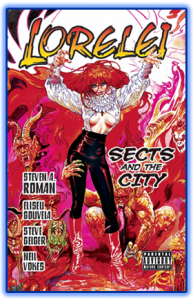 Anyway, as we here at The ’Warp get ready to debut Lorelei: Sects and the City—our fantastic Mature Readers graphic novel that features art by Eliseu Gouveia (Pandora Zwieback, A Princess of Mars) Steve Geiger (Web of Spider-Man) and Neil Vokes (Fright Night), which is about to go on sale—I thought the time was perfect to show off some of the reactions I’ve received about our favorite soul-stealing succubus over the years—from big-time professionals, no less!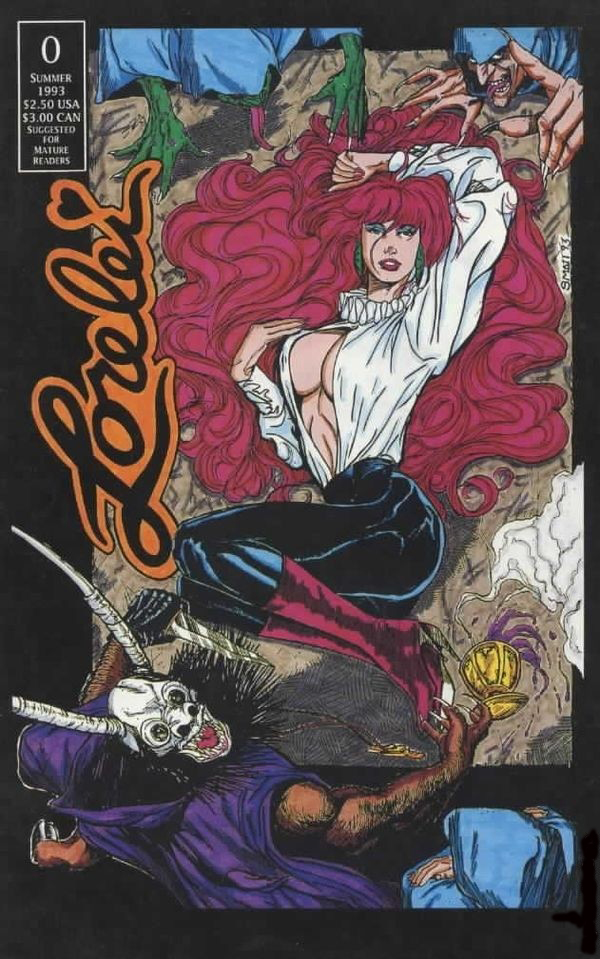
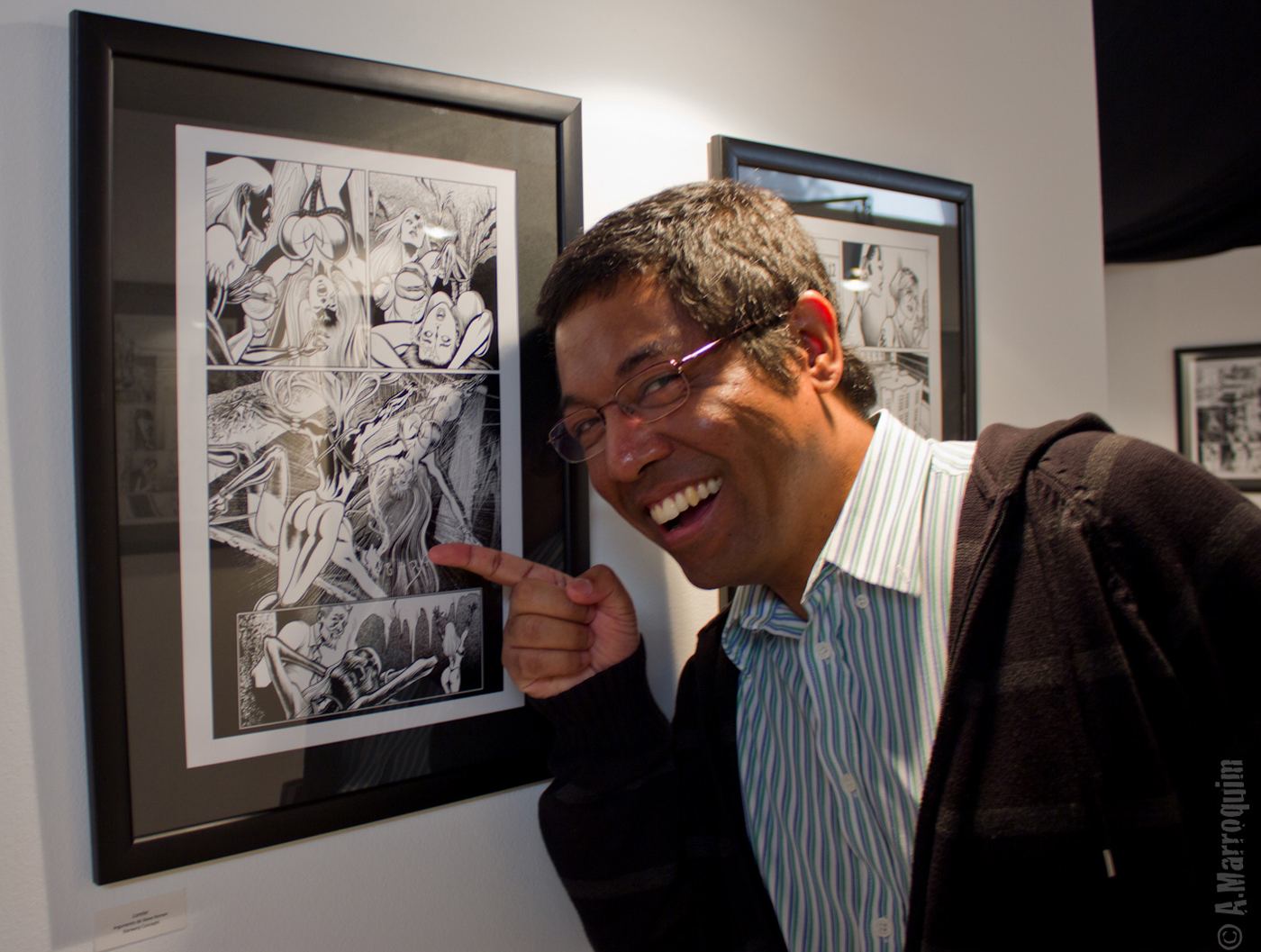
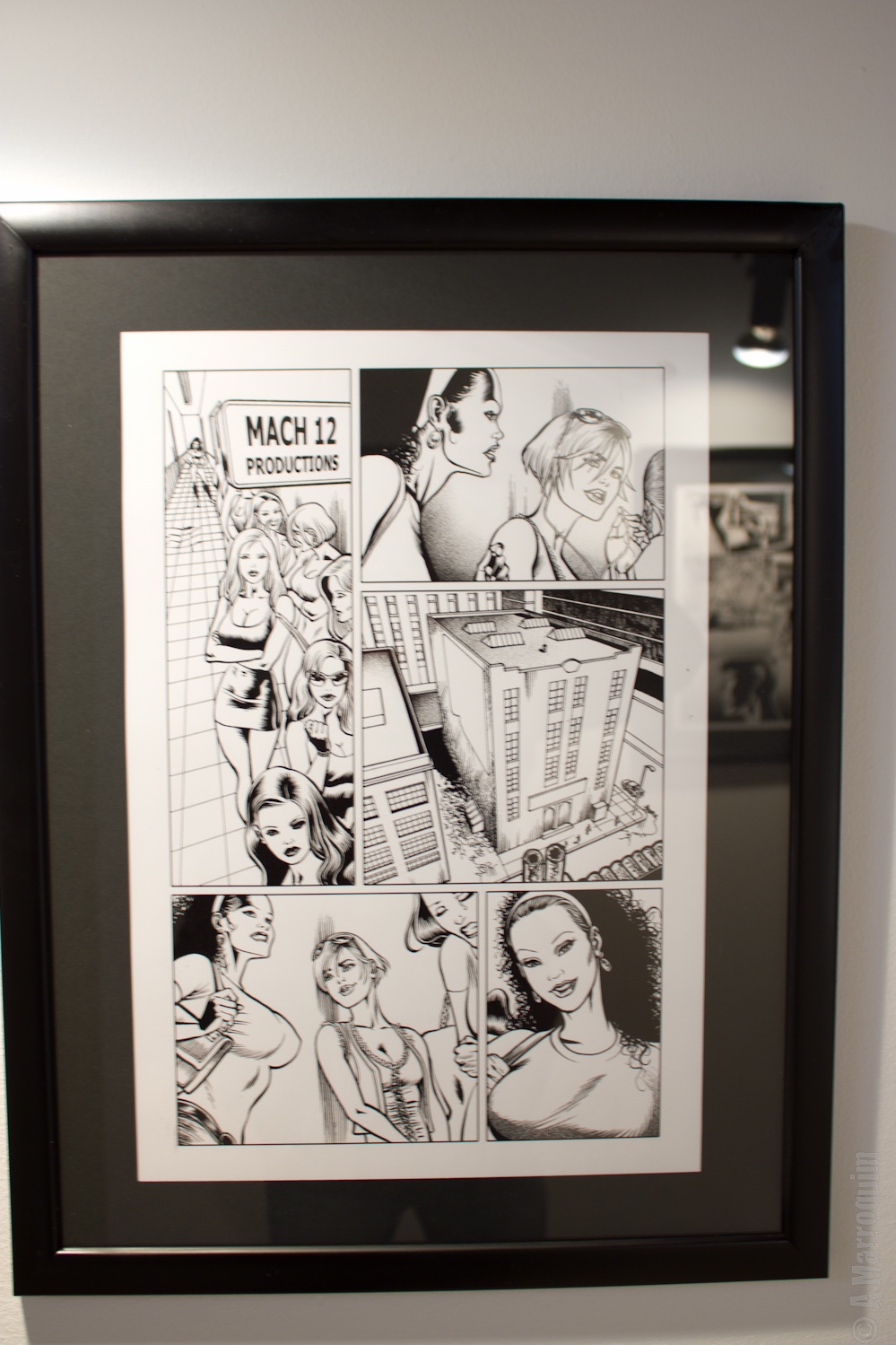
 From May 10 to June 26 of this year, the city of Beja, Portugal, celebrated its eighth annual International Comics Festival—and ’Warp characters Pandora Zwieback and Lorelei both made appearances in an art gallery exhibition at the festival that celebrated the work of the incomparable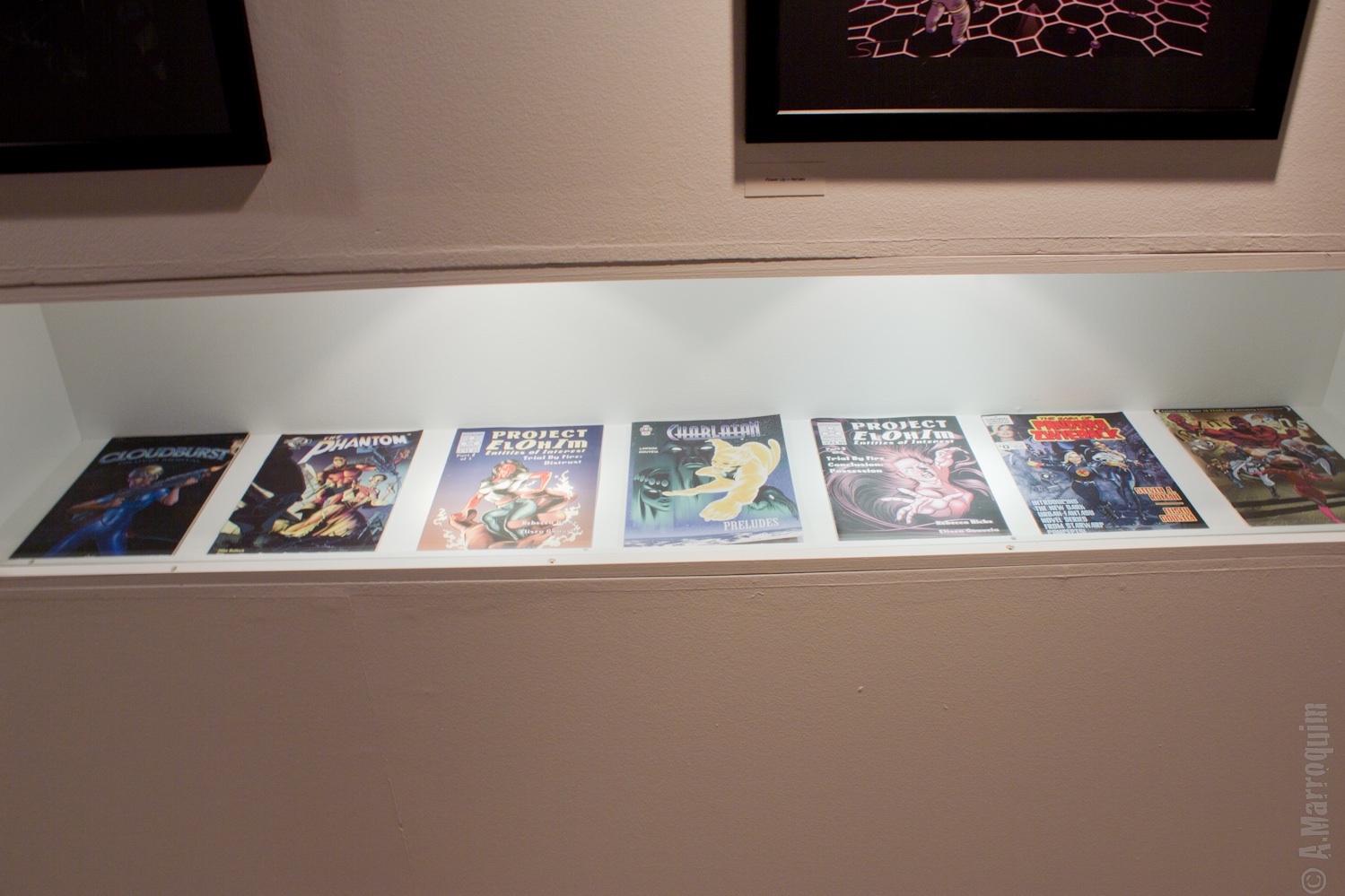
 Well, this is great news: Gothic Beauty—the magazine of Goth-inspired fashion and culture—has reviewed our first illustrated classic, J. Sheridan Le Fanu’s vampire novella
  PAGE 1
 It’s DVDuesday, as they say on G4-TV’s Attack of the Show! Today is the release date for Disney’s John Carter, the movie adaptation of Edgar Rice Burroughs’s science fantasy novel, A Princess of Mars. But don’t just run out and buy the movie—do yourself a favor and pick up a copy of The ’Warp’s special edition of Burroughs’s action-packed tale.
 Today is the big-screen debut of the epic fantasy Snow White and the Huntsman, starring Charlize Theron (Prometheus), Kristen Stewart (Twilight), and Chris Hemsworth (The Avengers). There’s been a lot of positive buzz about the film, which (very) loosely adapts “Snow White,” the Brothers Grimm’s classic fairy tale that celebrates its 200th Anniversary this year.
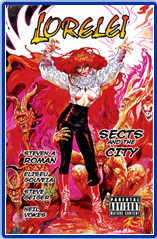 In Lorelei: Sects and the City, what starts out as Lori interrupting an apparent mugging soon escalates into even bigger problems, when she learns that the “muggers” were actually members of a cult that’s attempting to resurrect its ancient gods. And now that Lori has stuck her nose in their business, the cult’s leader wants her to be their next sacrificial offering!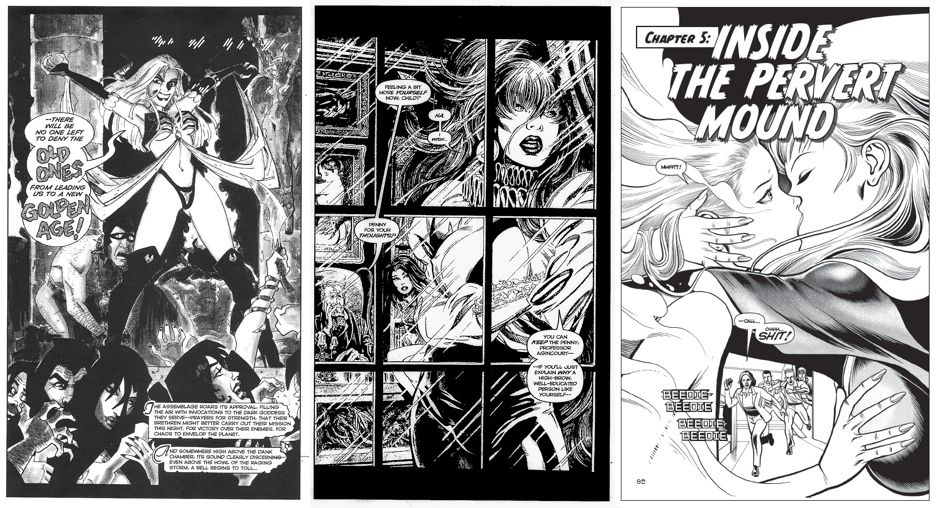
 No events to show