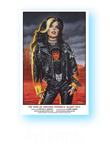
If there’s one thing our resident monster-fighting Goth girl, Pandora Zwieback, loves—other than her boyfriend, her friends and family, her skill at painting, and…oh, yeah, all things horror—it’s reading. And when it’s a literacy program that involves her favorite baseball team, well, she’s totally all over it!
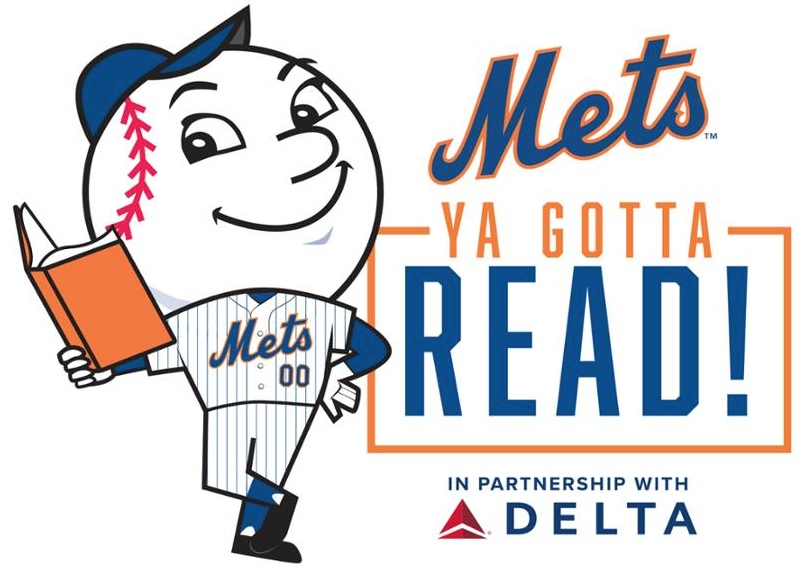
A partnership between the New York Mets and Delta Air Lines that launched in 2017, Ya Gotta Read (a playful twist on the old Mets saying, “Ya Gotta Believe!”) is intended to get kids excited about reading, and involves 48 elementary schools in Queens and Brooklyn.
The goal this year is for students to “read for 20 minutes every school night for six weeks, coinciding with Mets Spring Training. The more minutes students read, the more Mets prizes they earn.” Prizes include key chains, pencil pouches, lunch boxes, and in-season Mets tickets.
Ya Gotta Read runs from today, February 15 (the start of Mets spring training—the day pitchers and catchers officially report for duty), to March 26. For more information, and to follow the schools’ progress, visit the Ya Gotta Read page at the Mets website.
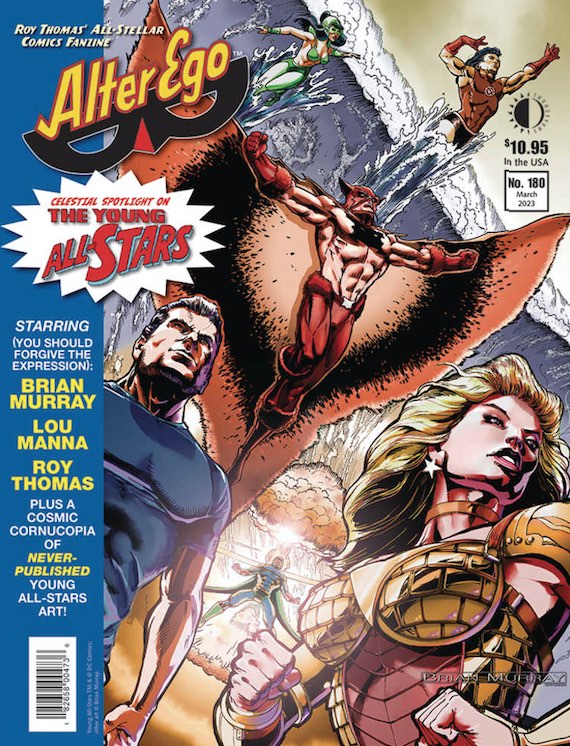
On sale right now at comic shops, from TwoMorrows Publishing, is Alter Ego #180, the latest issue of the comic-history magazine overseen by writer/editor/comic legend Roy Thomas (The Avengers, Conan the Barbarian). The issue focuses on Thomas’s The Young All-Stars, a DC Comics World War II–set superhero series that spun-off from his extremely popular All-Star Squadron series (I never missed an issue of either, back in the day).
Among the talented artists interviewed for their behind-the-scenes stories on YAS is Lou Manna, who penciled the series’ final four issues, as well as issues of All-Star Squadron, Infinity Inc., The Legion of Super-Heroes, and House of Mystery. The piece is loaded with behind-the-scenes photos as well as never-before-seen art for YAS. It’s definitely worth a read (as is the rest of the issue, if you’re a Bronze Age comics fan).
And while we’re on the subject of Lou Manna, perhaps you might want to check out a contribution he made to one of our own comic projects…
(Ulterior motive engaged…)
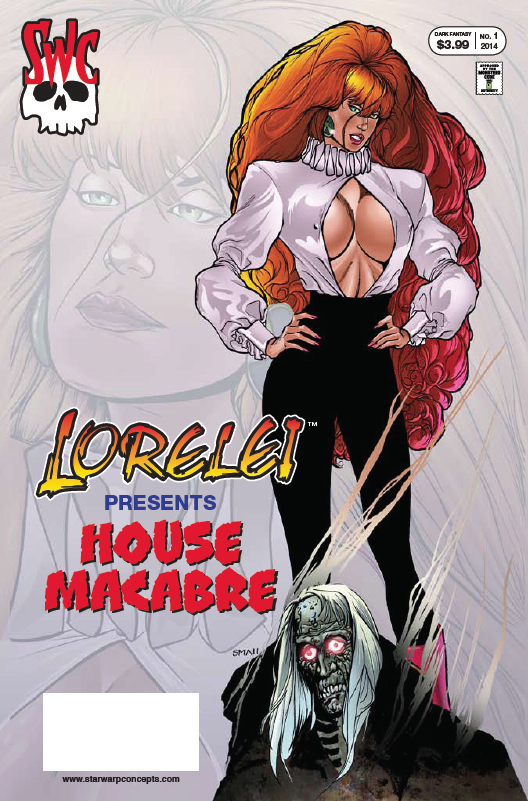
Lorelei Presents: House Macabre is the first outing of our resident soul-stealing succubus as the hostess of a horror comic anthology. In this one-shot special, which features eye-catching cover art by fan-favorite artist Louis Small Jr. (Vampirella, Vampirella Strikes), you’ll find four tales of horror:
One of those stories is “All in Color for a Crime,” written by Steven A. Roman (that’s me!), with art by the esteemed Lou Manna, in which two comic book collectors clash over a rare back issue—but only one of them will be adding it to their long boxes.
If I remember correctly, Lou and I met in late 2001/early 2002 at a New York comic convention (probably one of the ones run by longtime promoter Fred Greenberg), although I don’t remember if it was because he stopped by my table as he made the rounds looking for paying gigs from publishers big and small, or because someone had put us in touch prior to the show.
Either way, as a fan of Young All-Stars I knew exactly who he was, and was excited that he was willing to work for such a small operation as mine, so I lost no time in giving him a contract and script for “All in Color.” It was originally intended to appear as a backup story in Lorelei, Vol. 2 #3—except I wound up canceling the series due to low sales figures on the first two issues, and the already-lettered art was put aside in the digital vault. Skip ahead to years later, and Lou’s sole contribution to the SWC comic archives finally made its long-overdue debut in House Macabre.
Lou’s kept himself in the years since he delivered “All in Color,” as an artist for such indie houses as Moonstone Comics (The Phantom) and Heroic Publishing (Icicle, Champions, and Chrissie Claus). Samples of his other work can be seen at his Louis Manna website.
As for the other stories in House Macabre…
“The Old, Dark Manse” is also written by me, penciled by Uriel Caton (JSA Annual, Heartstopper: The Legend of La Bella Tenebrosa), and inked by “Chainsaw” Chuck Majewski (Harvey Kurtzman’s New Two-Fisted Tales), and has Lori welcoming readers to this special.
“The Basilisk,” from me and artist John Pierard (Graphic Classics: Horror Classics, My Teacher Fried My Brains), is a “Lori’s Feary Tale” that examines the history of a supernatural creature that’s a cross between a deadly snake and a…chicken?!
And wrapping up the special is “Requiem for Bravo 6,” by New York Times bestselling author and comic writer Dwight Jon Zimmerman (She-Hulk, Iron Man, Web of Spider-Man) and artist Juan Carlos Abraldes Rendo (Bloke’s Terrible Tomb of Terror), in which a special-ops team goes on a life-or-death mission…but will they be prepared for what awaits them at mission’s end?
Alter Ego #180 is available at your local comic shop, and from TwoMorrows Publishing.
Lorelei Presents: House Macabre is available in print and digital formats from the SWC webstore. Visit its product page for ordering information and sample pages.
Like the header says, today is Take Your Child to the Library Day. Founded in 2011 by librarians Nadine Lipman and Caitlin Augusta, the event is held the first Saturday in February and encourages librarians to reach out to their communities and show folks just how wonderful reading can be.
Before the Internet, libraries were the source for information and reading, and these days they can use our support. So head out tomorrow, introduce your children to that big brick building with all the free books to borrow, update the library card that’s been stuck in the back of your wallet for all these years, and renew your acquaintance with a vital partner in the ongoing literacy campaign.
For more information, including the list of participating libraries, visit the TYCLD website.
On Wednesday, as part of marking the start of the 2023 celebration of Women in Horror Month, I mentioned our SWC Horror Bites imprint—but what is that, exactly? Well, put basically, “short tales to appease your monstrous hunger for suspense” is how we describe this digital-chapbook series that reprints classic horror fiction that you may or may not have heard of, but which you should definitely introduce yourself to.
Currently, our two offerings are:
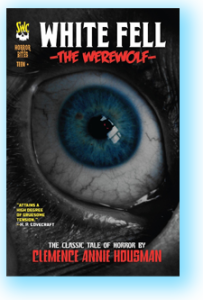
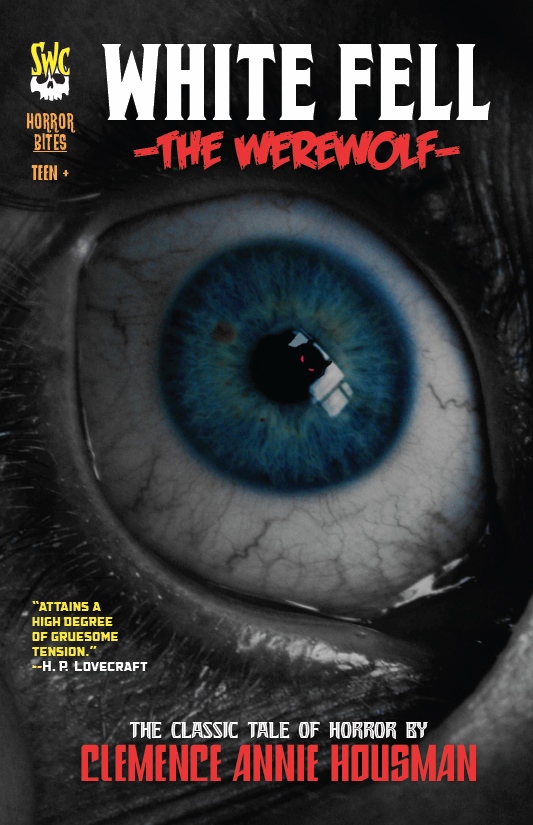
White Fell: The Werewolf: Originally published in 1896 as The Were-wolf, this tale, written by renowned author, artist, and suffragette Clemence Annie Housman, is regarded by scholars as perhaps the first feminist werewolf story. In it, a beautiful woman named White Fell wanders into a snowbound village—and into the hearts of twin brothers, one of whom immediately becomes smitten by her. The other brother, however, soon grows suspicious of the enigmatic White Fell. Where did she come from? Why does she always carry an ax? And is her sudden appearance somehow related to the recent sightings of a bloodthirsty wolf in the area? He may come to regret being so inquisitive…
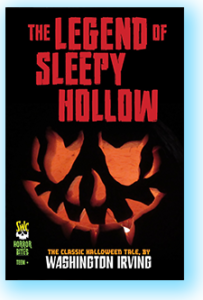
The Legend of Sleepy Hollow: Washington Irving’s legendary tale of the Headless Horseman has captivated readers ever since its first publication in 1820, in Irving’s collection The Sketch Book of Geoffrey Crayon, Gent., and in the 200-plus years since, it’s become the quintessential Halloween story, as well as the basis for countless movies, TV shows, comic books, and other pop-culture adaptations. When schoolteacher Ichabod Crane arrived in Sleepy Hollow, New York, he had dreams of marrying beautiful socialite Katrina of the wealthy Van Tassel family, only to lose his head (both figuratively and literally!) when he encounters the horrific Headless Horseman one fateful night!
White Fell: The Werewolf and The Legend of Sleepy Hollow are digital exclusives available for download right now, so visit their respective product pages for ordering information.
Women in Horror Month is here again, that annual celebration that shines the spotlight on the contributions of all the female creators—writers, artists, movie directors, producers, special makeup artists, special effects experts, etc.—who’ve brought thrills and chills to generations of fans around the world.
Well, if you enjoy tales of horror and empowered women, may we recommend one of our classic fiction titles?
White Fell: The Werewolf, by Clemence Annie Housman, was originally published in 1896 as The Were-wolf, and it’s regarded by scholars as perhaps the first feminist werewolf story. In it, a beautiful woman named White Fell wanders into a snowbound village—and into the hearts of twin brothers, one of whom immediately becomes smitten by her.
The other brother, however, soon grows suspicious of the enigmatic White Fell. After all, where did she come from? Why does she always carry an ax? And is her sudden appearance somehow related to the recent sightings of a bloodthirsty wolf in the area?He may come to regret being so inquisitive…
White Fell: The Werewolf is a digital exclusive. Visit its product page for ordering information.
Hey there, owners of comic book shops and independent bookstores around the world! Are you interested in adding StarWarp Concepts titles to your shelves, especially now that we’re celebrating our 30th Anniversary this year? Well, here’s how you can do it!
SWC’s in-print titles (as opposed to our e-book exclusives) are all print-on-demand releases available through our distributor, Ingram Content Group—and POD means they’re never out of print, so they’re always ready to appear on your shelves!
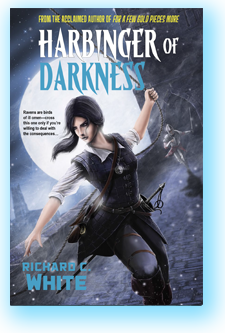
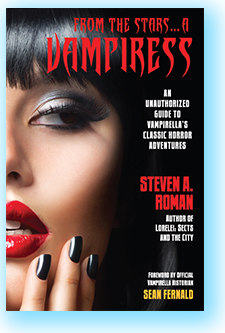
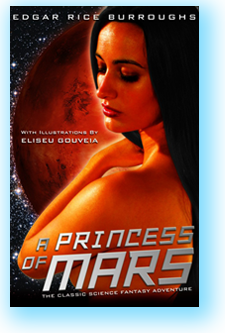
Our ever-growing list of titles ranges from the young-adult thrills of supernatural heroine Pandora Zwieback and the Lovecraftian chills of the Mature Readers graphic novel Lorelei: Sects and the City to the nonfiction books Terra Incognito: A Guide to Building the Worlds of Your Imagination (perfect for writers and RPG game masters) and From the Stars…a Vampiress: An Unauthorized Guide to Vampirella’s Classic Horror Adventures, and from the Illustrated Classics A Princess of Mars and Carmilla to the swashbuckling adventure of the fantasies Harbinger of Darkness and For a Few Gold Pieces More, StarWarp Concepts has a book sure to appeal to your customer base!
And our titles are critically acclaimed, with overwhelmingly positive responses from reviewers:
“Far and away one of the best young adult supernatural fantasy novels. Pan is exactly the kind of teen heroine that readers should be standing up and cheering for.”—HorrorNews.net on Blood Feud: The Saga of Pandora Zwieback, Book 1
“This is without a doubt the essential, authoritative reference book for anything related to the Warren-era Vampirella. There are lots of books out there with good information, but none offers such a broad, all-encompassing look at the history of this character.”—Vampirella of Drakulon (news blog) on From the Stars…a Vampiress: An Unauthorized Guide to Vampirella’s Classic Horror Adventures
“A solid introduction to the subject of world building. The book succeeds in helping the aspiring writer in creating a skeletal framework on which to hang the moving parts required of a believable fictional setting.”—The Gaming Gang on Terra Incognito: A Guide to Building the Worlds of Your Imagination
“A satisfying romp and one that feels like it would have made an excellent seventies horror film (especially one made by Hammer)…. The story is funny at times, graphic at times, and horrific at others, and it’s always delivering its stuff at full volume.”—Strange Amusements on Lorelei: Sects and the City
“A visceral adventure through a world of magic with well-developed characters, dynamic dialogue and a good dose of two-handed sword fights.”—Experience Writing on Harbinger of Darkness
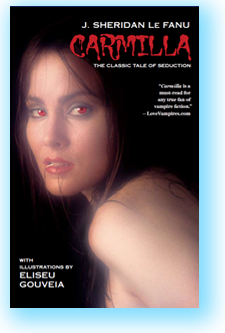
“With a cover that looks like it belongs on the paranormal romance shelf in a bookstore and half a dozen illustrations provided by Eliseu Gouveia, this edition stands a good chance of tempting some younger readers to pick up this classic vampire tale…. I wish I’d picked this book up in seventh grade instead of slogging through Dracula.”—The Gothic Library on Carmilla
Take a look at our backlist to see what we offer, and then get in touch with Ingram Content Group if you don’t already have an account with them.
After all, why should Amazon have all the business—and the fun?
So now that you’ve had four days of behind-the-scenes talk of StarWarp Concepts here at the SWC blog, it’s time to look at what readers and potential book buyers are interested in when they peruse all we have to offer. Because while it’s true that your friendly fiends at ’Warp Central haven’t released a new project in a while, that doesn’t mean we didn’t have books to sell in 2022, what with our extensive backlist of fiction and nonfiction titles.
So let’s take a look at the top three titles that best grabbed readers’ attention in the past year, based on our 2022 sales figures.
Coming in at number 1 is From the Stars…a Vampiress: An Unauthorized Guide to Vampirella’s Classic Horror Adventures, by Steven A. Roman (that’s me!), is a nonfiction history of Vampirella that takes an extensive look at her early days, from the debut of her series in 1969 to the death of Warren Publishing in 1983. In addition, you’ll find the tale of Hammer Films’ unproduced film adaptation of the 1970s that was to star Barbara Leigh and Peter Cushing (Grand Moff Tarkin of Star Wars); an in-depth guide to all her Warren stories; a checklist of all her Warren appearances (plus the publications from Harris Comics and Dynamite Entertainment that reprinted her Warren adventures); an overview of the six novelizations by pulp sci-fi author Ron Goulart that were published in the 1970s by Warner Books; and a look at the awful 1996 direct-to-cable-TV movie that was made, starring Talisa Soto (Mortal Kombat) and rock-god Roger Daltrey (lead singer of the Who). There’s also a peek at Mr. Cushing’s personal copy of the ’70s Vampirella screenplay; a foreword by Official Vampirella Historian Sean Fernald, a frontispiece by Warren artist Bob Larkin (Vampirella, Creepy, Eerie), and photographs from the personal archives of Forrest J Ackerman, co-creator of Vampirella and editor/creator of Famous Monsters of Filmland magazine.
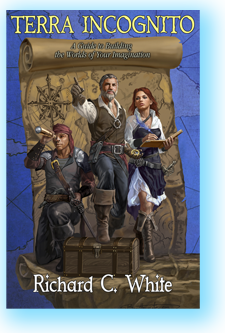
The number two spot belongs to Terra Incognito: A Guide to Building the Worlds of Your Imagination. In this how-to book for writers and role-playing gamemasters, bestselling fantasy author Richard C. White (Gauntlet: Dark Legacy: Paths of Evil, For a Few Gold Pieces More, Harbinger of Darkness) takes you through the step-by-step process of constructing a world for your characters, from societies and governments to currency and religion. Included is an interview with New York Times bestselling author Tracy Hickman (Dragonlance) that discusses his methods of world building, as well as his creative experiences during his time as a designer for gaming company TSR, the original home of Dungeons & Dragons. Originally intended as a writer’s guide, it very quickly became popular with RPGers who use it as a sort of instruction manual for setting up their campaigns. In fact, the book—available in trade paperback, hardcover, and ebook forms—is so useful to them that it’s currently an assigned textbook in the Interactive Media & Game Development program at Worcester Polytechnic Institute in Worchester, Massachusetts!
And coming in at number three is the Illustrated Classic A Princess of Mars, the first in the “John Carter of Mars” ten-novel series by Edgar Rice Burroughs, best known as the creator of the pulp-fiction jungle lord, Tarzan. Unlike Tarzan’s African adventures, Princess is the story of a post–Civil War era American who suddenly finds himself transported to the Red Planet, where he must constantly fight to stay alive against all sorts of alien threats—and where he falls in love with Dejah Thoris, the titular Martian princess. It served as the basis for Disney’s 2012 film adaptation, John Carter, and inspired a century’s worth of SF works, including Flash Gordon, Star Wars, and James Cameron’s Avatar. The StarWarp Concepts edition features six incredible illustrations by SWC artist supreme Eliseu Gouveia (Lorelei: Sects and the City, The Saga of Pandora Zwieback Annual #1), and an introduction by Mars-fiction expert John Gosling, author of Waging the War of the Worlds.
All titles are available in print and digital formats. Visit their respective product pages for ordering information.
The following is the conclusion of a four-part interview that first appeared on the site Write a Revolution, back in 2015, but since WaR is apparently no longer around, I’m presenting it (with some updates) as part of our 30th Anniversary celebration for all those folks who might not have seen it.
In Part 1, I talked about the inspiration behind our succubus comic character, Lorelei, the horror-comic anthology Lorelei Presents: House Macabre, and what possibly distinguishes StarWarp Concepts from other publishers.
Part 2 covered the genesis of our teenaged Goth monster fighter, Pandora Zwieback, and the planning that goes into creating an SWC project.
For Part 3, we discussed publishing matters—marketing strategies, the use of giveaways, and promotional ideas that didn’t quite work out.
Today in the wrap-up, we get into some of the nitty-gritty as to how The ’Warp operates as a publishing company. Enjoy!
WaR: What have you struggled with the most during your adventures in writing and publishing?
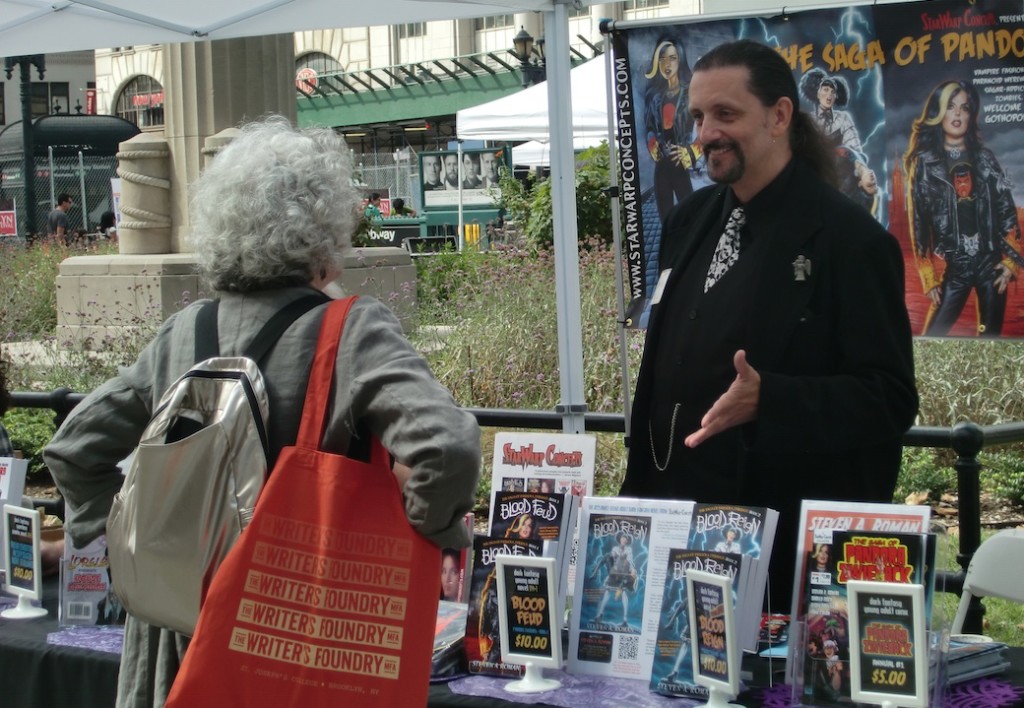
Steve Roman at the 2015 Brooklyn Book Festival. Photo by Frank Roman.
SR: Getting recognition for the company and our titles. It’s a cliché that the Internet is just a big void you’re shouting into, hoping to get attention, but it’s true. Conventions help, but like I said earlier, the pandemic sort of threw a monkey wrench into that sort of interaction, for the time being.
WaR: Do you network with fellow writers or self-published authors?
SR: I have friends and other contacts who are writers and self-publishers, and we’re all in the same boat, to varying degrees, all trying to get the word out on our projects. We compare notes on our approaches, and share convention war stories and stuff like that. A mutual commiseration society! (laughs)
Along those lines, one of my friends is writer/publisher J.D. Calderon of Dream Weaver Press, home to the fantasy comics Tall Tails and The Oswald Chronicles. He has a YouTube interview series called Indy Comics Explained, and I’ve made a few appearances on it, the most recent back in December, where the main topic was whether editors are useful for indie comic creators.
WaR: How do you design your covers and/or any illustrations?
SR: When dealing with artists, usually I’ll start off by doing a rough sketch of the composition I’m looking for, and providing them with any reference material they might need. For designers, I’ll sometimes do a rough design of the cover or interior layouts in my Mac’s Pages application, just to give them a starting point they can riff on. Or if I have something particular in mind I’ll say, “No, I want it exactly like this, but with a professional finish to it.” The cover for Lorelei Presents: House Macabre, for example, was meant to emulate 1970s and ’80s DC comics; if you look closely, you can see an “Approved by the Monsters Code Authority” seal in the upper right-hand corner.
I try not to waste artists’ or designers’ time with a game of “I’ll know it when I see it”—that approach just winds up pissing everyone off. Doing it the way I do seems to work out just fine; a few of the artists have even told me I’m one of the best art directors they’ve ever worked with.
WaR: Do you format your own eBooks or outsource?
SR: For the PDF versions of StarWarp’s books, comics, and graphic novels that are sold through the company website and online retailers like DriveThru Comics and DriveThru Fiction, I have my designers deliver a version of the print files, with the covers combined with the interiors.
However, the Pandora Zwieback novels get mass distribution and require separate file formats for Kindle, Nook, and Smashwords (who distribute to Apple, Kobo, and Scribd), so I outsourced them to an e-book conversion company called 52Novels. All I had to provide them with, other than a Word doc file of the manuscript, was the design material I wanted to carry over from the print versions—front cover, title page, house ads—and they put it all together. I was really happy with the work they did on Blood Feud, and they’re great people to work with, so I went back to them with Blood Reign and in all likelihood will continue to use them.
WaR: Do you find the overall process of publishing a book an easy one or especially difficult?
SR: It was difficult starting out because I had to learn the process on the fly, but strangely enough that tends to be the method I’m most comfortable with: just jumping right in and figuring it out as I go. It was the same way I got started in comics publishing, back in ’93, except for the book market I was able to rely on books like Dan Poynter’s Self-Publishing Manual and Self-Publishing for Dummies for guidance. And I had some familiarity with the ins and outs of the industry, having been an editor for ten years at a New York publishing house called ibooks, inc. (no relation to Apple’s iBooks).
What made the process of reinventing StarWarp as a book publisher a bit easier was in hiring the designers I worked with at ibooks, inc., so I’d be working with people I knew, and who were familiar with my methods. The rest of the business stuff, though, was up to me.
WaR: What are you working on next?
SR: Well, 2023 is StarWarp’s 30th anniversary year, so we’ve got a number of books and comics in the works—not to mention our first Kickstarter campaigns—but I’ll hold off from making announcements until they’re a little more developed. All I can say is, stay tuned!
The following is the third installment of a four-part interview that first appeared on the site Write a Revolution, back in 2015, but since WaR is apparently no longer around, I’m presenting it (with some updates) as part of our 30th Anniversary celebration for all those folks who might not have seen it.
In Part 1, I talked about the inspiration behind our succubus comic character, Lorelei, the horror-comic anthology Lorelei Presents: House Macabre, and what possibly distinguishes StarWarp Concepts from other publishers.
Part 2 covered the genesis of our teenaged Goth monster fighter, Pandora Zwieback, and the planning that goes into creating an SWC project.
Today, some discussion on publishing matters—marketing strategies, the use of giveaways, and promotional ideas that didn’t quite work out. Enjoy!
WaR: There is plenty of advice out there telling you how to sell your book but what book marketing strategies or methods have you found work effectively for new authors or even more established indie names?
SR: The ones that seem to work the best usually involve crowdfunding—Kickstarter and IndieGoGo and sites like that—because you’re directly marketing to people who become interested in investing in your project; the rewards offered at different backing levels have a lot to do with that. It’s a method I’ve been interested in trying, and I know other small publishers it’s worked for, so we’ll be giving it a try this year with some comic-related projects that are currently in development.
WaR: Do you try to build to a launch or release the book and then promote afterwards?
SR: I did a major push for Blood Feud, the first Pandora Zwieback novel, by first purchasing booth space at the New York Comic Con one year before its release just to announce the coming of the book.
Then, as the release date got closer, I ran a feature on the StarWarp blog called “The 13 Days of Pan-demonium”—a sort of countdown in which I hired twelve artists (plus me) to draw their interpretations of Pan, with the cover of Blood Feud appearing somewhere in each piece. I posted one illustration each day, leading up to the book’s release.
WaR: Have you tried giving anything away for free or include special offers to try and entice readers? E.g. free chapters, promotional items, limited day price reductions.
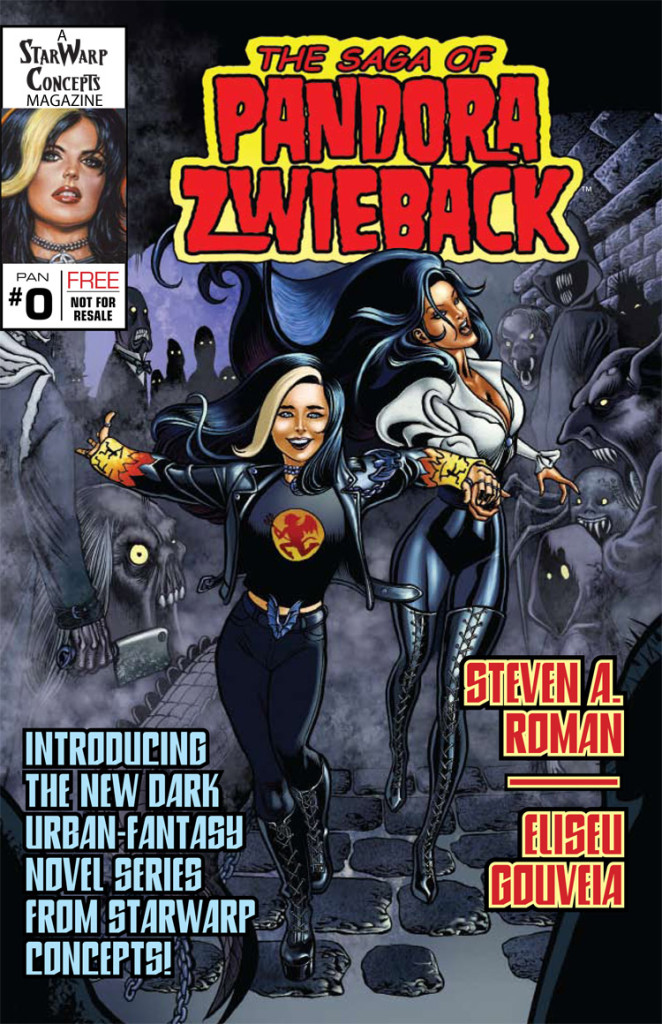
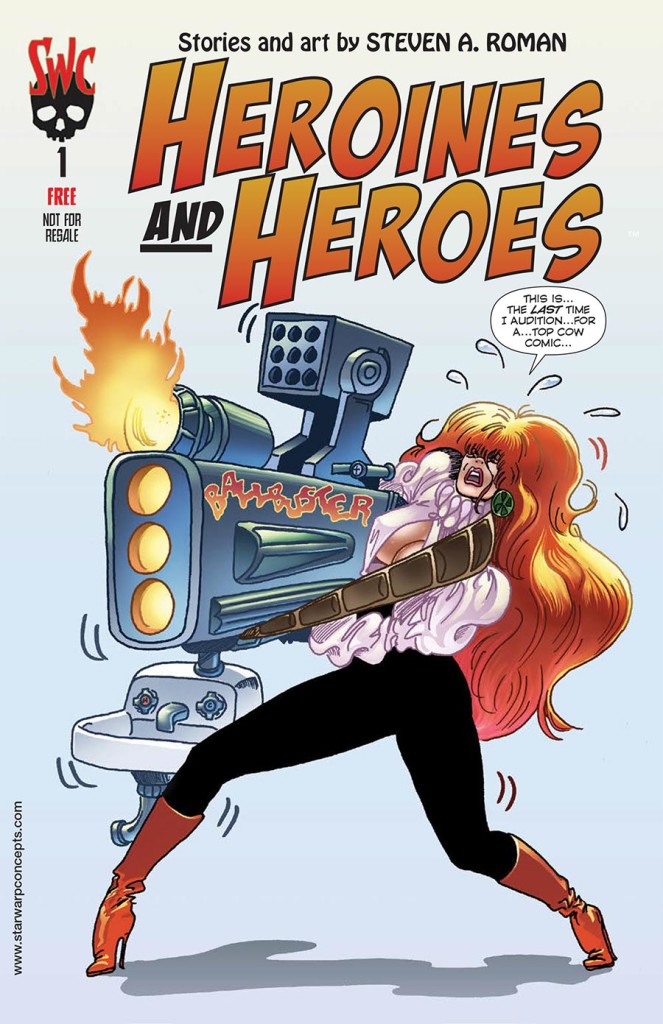
SR: Absolutely. At the StarWarp Concepts website, we offer free sample chapters from the Pandora Zwieback novels Blood Feud and Blood Reign, and there’s The Saga of Pandora Zwieback #0, a free, downloadable 16-page comic book that acts as an introduction to Pan’s book series. That one originally started out as a print comic that I handed out in 2010 as a promotional item at comic book conventions and book festivals. We also have the free digital comics Heroines and Heroes—a collection of the comic artwork I’ve done for other publishers—and Heartstopper: The Legend of La Bella Tenebrosa, a three-issue series originally published in the 1990s during the “bad-girl” comics craze. It’s sort of an odd “prequel” to The Saga of Pandora Zwieback, in that it stars her monster-hunting mentor, Annie, in a comic that’s “suggested for mature readers,” as the usual warning goes for comic fans under eighteen years of age.
And depending on budgetary limitations, I’ll have either brochures or catalogs printed up to hand out at shows. It’s important that people know that StarWarp has a growing backlist of titles.
WaR: Do you mostly stick to online promotions or do you do much offline networking as well?
SR: I’ve attended conventions and book festivals over the years, which tends to work better for sales than the online promotions, because I’m able to tell attendees about the books and comics, on a one-on-one basis. The pandemic, unfortunately, put the brakes on that kind of interaction—first with the lockdown in 2020 that closed all conventions, and then, when they did start up, with the concern about them turning into “super-spreader” events because not every attendee wears a mask…or is vaccinated…or covers their mouth when they cough or sneeze. It’d be like contracting the dreaded “con crud” on steroids.
However, I am looking to get back to in-person appearances, if not in 2023 then definitely in 2024. It’s all a matter of budgeting for conventions—they’re even more expensive now for vendors and exhibitors than they were since the last time I booked space at a show.
WaR: Are there any promotional ideas that really did not work out or “bombed”? Things that you definitely will not be trying again?
SR: Ooh, where to begin…? (laughs) Well, I’ve stopped exhibiting at New York Comic Con, for one thing. The last one I attended was in 2013—I had the best location I’d ever had at that show, and wound up with a larger space than expected because the show runners had misjudged the borders of the booth layouts, but at the end of four days I’d spent $1,500 for the location and taken in…let’s just say nowhere close to that in sales.
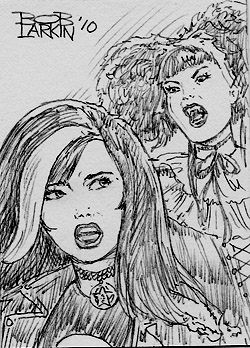
For the 2011 New York Comic Con, I used the show’s database to contact people who’d listed the StarWarp booth as one of their planned visiting points, and e-mailed them certificates for exclusive Pandora Zwieback sketch cards that the novels’ cover painter, Bob Larkin (who used to work for publishers like Marvel and Bantam), had done for me. Only one guy showed up to claim a card—and even he didn’t really want it. He’d come to the booth to find out what was going on with Lorelei! (laughs)
In 2014, I tried a similar promotion at the first-ever BookCon, only this time I was offering prints of Bob’s cover painting for Blood Feud. Again, of all the people I contacted, only one person showed up to get their print.
There were others, but I’ve depressed myself already, remembering just these. (laughs)
That’s the end of part 3. Drop by tomorrow for the exciting conclusion!
The following is the second installment of a four-part interview with StarWarp Concepts owner/publisher/main writer Steven A. Roman (that’s me!) that first appeared on the site Write a Revolution, back in 2015, but since WaR is apparently no longer around, I’m presenting it (with some updates) as part of our 30th Anniversary celebration for all those folks who might not have seen it.
In yesterday’s Part 1, I talked about the inspiration behind our succubus comic character, Lorelei; the horror-comic anthology Lorelei Presents: House Macabre; and what possibly distinguishes StarWarp Concepts from other publishers.
Today, we get into the genesis of our teenaged Goth monster fighter, Pandora Zwieback, and the planning that goes into creating an SWC project. Enjoy!
WaR: In the young adult novels Blood Feud and Blood Reign, you introduce Pandora Zwieback. Who is Pandora and what’s her story?
SR: Pan is a sixteen-year-old Goth who spent the last decade being diagnosed as a paranoid schizophrenic because she can see monsters. But after she meets an immortal monster hunter named Sebastienne “Annie” Mazarin, she learns that she doesn’t suffer from a mental illness—she has the power to see through the human disguises worn by the monsters that actually exist in the world. How she wound up with that power is a complete mystery to her and her parents, but before they ever get a chance to start figuring it out, they get swept up in a war involving vampire clans looking for what they think is an ultimate weapon. And it just so happens that it was delivered to the horror-themed museum owned by Pan’s dad.
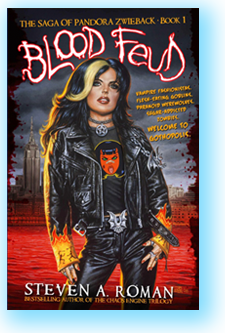
Blood Feud: The Saga of Pandora Zwieback, Book 1 introduces Pan and her cast of characters, and sets up the vampire war. Blood Reign: The Saga of Pandora Zwieback, Book 2 continues the story, adding more details on Pan and the relationship Annie had with the fallen angel who’s leading the vampires against humanity. They’re both extremely character-driven novels, because I love writing for Pan and getting her take on this whole potential end-of-the-world scenario she’s found herself in.
WaR: How do you get into the minds of your characters and make them tick? What I mean is, when you’re writing about women for example or characters that experience things that you have no personal knowledge of, how do you keep it realistic?
SR: That’s a good question—I’m stilltrying to figure out how I’ve managed to get inside Pan’s head! I mean, obviously, I’ve got no experience in being a sixteen-year-old girl, but I do remember being something of a socially awkward nerd in high school, so I have that to draw on, to some degree. I’ve taken the old axiom about writers writing what they know and applied that to her, so she’s a horror fan and Mets baseball fan and comic book lover, and then I add more facets to her character as I go along.
So far, it’s been working—my favorite convention story involves me telling a woman about Blood Feud and explaining Pan’s character in some detail, and her response was, “That sounds fascinating. Is the woman who wrote the book here?” When I pointed out that I was the author, she said, “That’s incredible! But how could you know what it’s like to be a sixteen-year-old girl?”
I think a lot of getting into the mental processes of the characters comes by playing certain kinds of music to set a mood. If I want to write a sad scene—say, like the discussion between Pan and her mom in Blood Feud, about the effect her parents’ divorce has had on her—I’ll play something that’ll intentionally make me feel melancholy, and put it on a loop. If I get a little misty-eyed when I read the scene over, then I know I’ve gotten inside Pan’s head and nailed down her emotions. For action scenes, I usually play movie sound tracks.
WaR: What level or research and planning goes into each project you undertake at StarWarp?
SR: I’m not really the kind who does market research to see if there’s an audience for what we publish, because more often than not our titles tend to be counter to whatever is considered hot or trendy at any given time. When the first Pan novel, Blood Feud, came out, Twilight was still popular—but there’s nothing romantic or “sparkly” about the vampires I write; in fact, some reviewers went out of their way to point out that Blood Feud is a polar opposite to Meyer’s books, in terms of depth of characterization and the violent nature of the vampires—and how much they preferred my approach.
The Lorelei projects are completely at odds with today’s comic market, given the sexual nature of the character and her appearance—the blown-out hair, the unbuttoned blouse, and the stiletto-heel boots. But then again, I’m not going after people who only read mainstream or alt-press comics. Like I said before, Lori is a throwback to old horror comics—if you’re not into those, then Lorelei probably won’t appeal to you. And yet the Sects and the City graphic novel is our most popular title with horror fans.
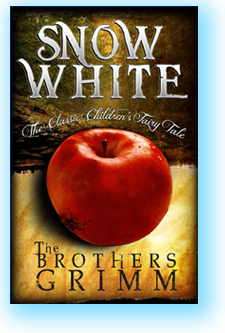
The Illustrated Classics line we have—which right now consists of the vampire novella Carmilla, Edgar Rice Burroughs’ A Princess of Mars, the 1932 novelization of the original King Kong, and the Brothers Grimm’s Snow White—are chosen for various reasons: they’re well-written books I enjoy; there’s some movie or event I can tie them to; or I know they’ll appeal to dark fantasy fans.
Carmilla involves vampires, so that was a no-brainer—vampires will never go out of style. A Princess of Mars was published to take advantage of Disney’s John Carter movie, since the movie’s based on that novel, and it’s a book I’ve enjoyed since I first read it as a teenager. King Kong was the first monster movie I ever saw as a kid, when it used to run on TV, and the novelization includes material that isn’t in the final version of the film. And Snow White came about because I found a children’s storybook published in the late 1800s, with pristine, full-color illustrations; since the book was in the public domain, we scanned the art and released it as an e-book. And the original spot illustrations for Carmilla and Princess—all done by Eliseu Gouveia—and Paul Tuma’s illustrations for King Kong are a major selling point for those books.
That’s the end of part 2. Drop by tomorrow for Part 3!


 No events to show